Celiac disease is a genetic autoimmune condition that damages the small intestines when the affected individual consumes gluten, a protein that is found in food such as barley and wheat. The immune response to the gluten causes damage to the villi which line the small intestine and prevents the proper absorption of other essential nutrients (malabsorption). This condition is also known as coeliac disease and gluten sensitive enteropathy. It is estimated that individuals with the first-degree relative such as the children and siblings are at an increased risk of developing this disorder. The prevalence of this disease is estimated to affect 1 in 100 individuals globally.
Causes
The exact cause of celiac disease is not known but is believed to be associated with various factors such as certain environmental triggers and consuming food containing gluten. Certain genetic variations in individuals can increase the risk of getting this disease meaning the individual is prone to develop this when triggered by other factors. In some cases, this can develop when triggered by emotional stress, gastrointestinal infections, pregnancy and surgery.
Symptoms
Not all the individuals affected with celiac disease have symptoms. Some people may develop this condition as an adult and others as children with symptoms that vary greatly. Some of the common symptoms that are associated with celiac disease in infants and children include the abdominal pain, constipation, failure to thrive, weight loss, vomiting, chronic diarrhea, foul smelling stool, tiredness, short stature, delayed growth, irritability with behavioral problems and attention deficit hyperactivity disorder (ADHD). The symptoms in adults include fatigue, anemia, depression, problems with menstrual periods, sores within the mouth, itchy skin rash, infertility, migraines, arthritis and joint pain.
Diagnosis
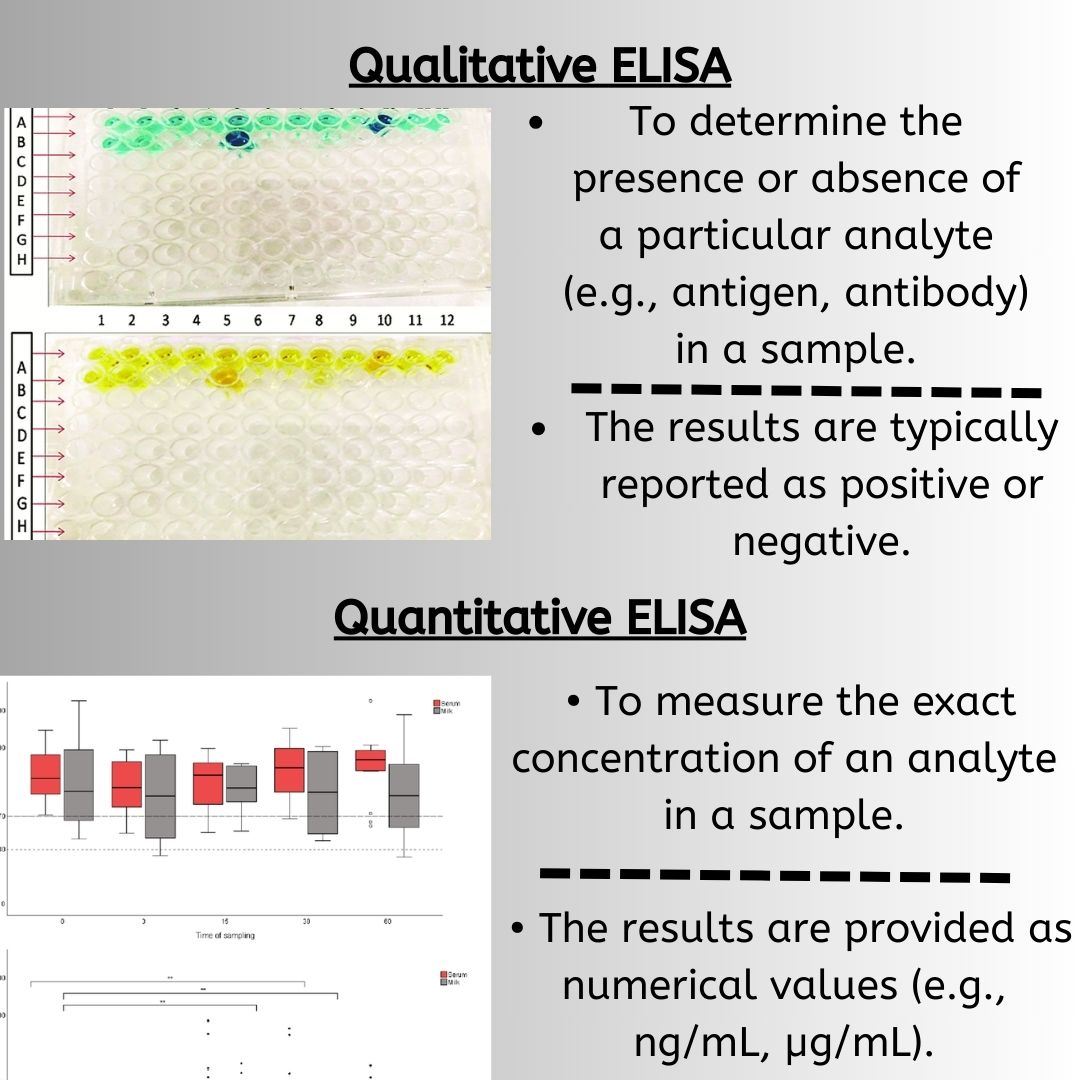
This requires a simple blood test that checks the level of certain antibodies. In individuals who have consumed gluten, certain antibodies in their blood are higher than normal. If the blood tests indicate positive for celiac disease, the additional test of endoscopy will assess the small intestine along with a biopsy to determine the damage to the villi.
Treatment
The only method of managing the celiac disease is to ensure a gluten-free diet. Some of the food that contains the gluten is malt, semolina, spelt, barley, durum, graham flour and rye. Even the consumption of small amounts of food containing gluten can trigger the onset of intestinal damage. A dietician may be beneficial in planning a gluten-free diet. Once individuals stop consuming gluten food, they may feel better within a few weeks, however, the damage to the intestine will take several weeks to recover. In the case of nutritional deficiencies, additional vitamin and mineral supplements may be required in the form of pills or injection when they are unable to absorb the nutrients from the digestive system. In the case of severe symptoms, the steroids can control the inflammation.
References
https://celiac.org/celiac-disease/understanding-celiac-disease-2/what-is-celiac-disease/
http://www.cureceliacdisease.org/category/faq-about-celiac-disease/