This is a very rare inherited bleeding disorder that develops as the result of abnormal genes. When the blood vessels of the body get damaged, it can create leakage of blood. The coagulation is a complex process that can stop the bleeding. Among the individuals with this condition, either they are not able to produce sufficient amount of factor XIII or they are not functioning effectively which results in the blood clot not forming. As this is one of the rarest types of factor deficiency, it is estimated to affect one in five million births.
Causes
The mutation in the gene F13A1 is referred to as factor XIIIA deficiency and the mutation in the gene F13B presents a less severe form of this disorder. The genetic mutation results in low levels of functional factor XIII that causes weakened blood clots. This condition is inherited in an autosomal recessive pattern meaning two copies of the gene for the same trait, one from each parent, has the mutation. When an individual inherits one normal and one defective gene, they tend to be the carrier of the disorder but don’t necessarily present any symptoms. When the parents are both the carriers of the defective gene, they are 25% likely to have an affected child.
Symptoms
The most common symptoms of this condition include the continuous bleeding from the umbilical stump which is evident in around 80% of the cases and the bleeding in soft tissues. The less common types of symptoms include mouth bleed, central nervous bleeding, difficulty with wound healing and bleeding into the joints. In the rare cases, bleeding in the spleen, kidney bleed, nose bleed and gastrointestinal bleed may occur. It is estimated that around 30% of the cases death occurs as the result of spontaneous intracranial hemorrhage.
Diagnosis
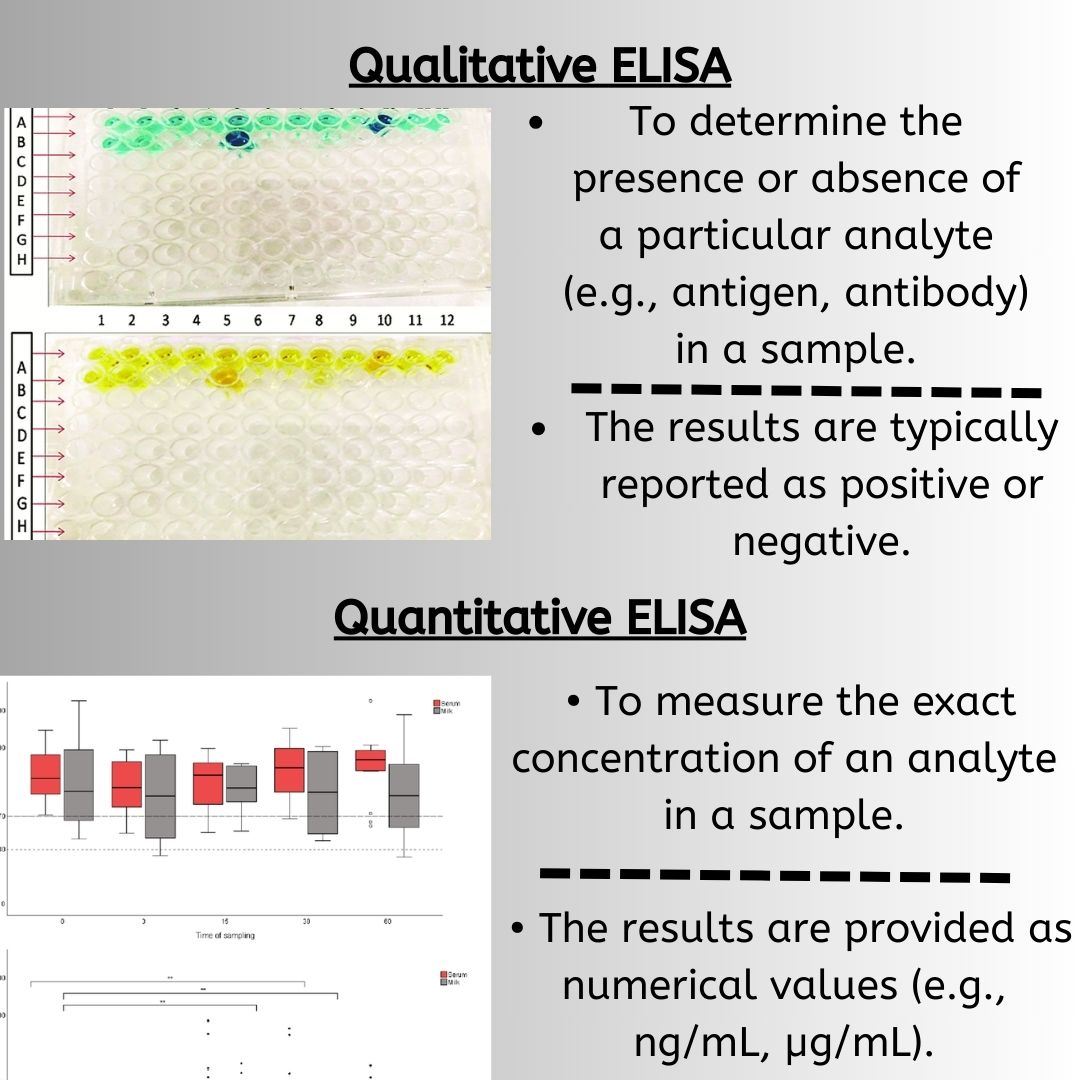
When individuals present unusual bleeding, various blood tests may be required to evaluate the coagulation which measures the duration of time it takes for the clot to form. However, individuals affected with this condition, the clotting time can be normal which can often be misleading. In order to effectively diagnose the XIII deficiency, the qualitative test is performed to evaluate the stability of the clot. The test may be performed to measure the exact quantity of factor XIII in the blood which can evaluate the severity of the deficiency.
Treatment
This condition can be treated by factor XIII concentrates which are developed from the plasma. If the factor XIII concentrates is not available, fresh frozen plasma may be administered although this can carry the risk of an allergic reaction. It is advised that these affected individuals undergo a preventive therapy to prevent the development of the symptoms with factor XIII concentrate every month. Women who experience the heavy menstrual periods may be treated with hormonal contraceptives such as birth control medications. In some cases, the genetic counseling may be beneficial for the affected individual and their families.
References
http://www.hemophilia.ca/files/Factor%20XIII%20deficiency%202014.pdf
https://www.wfh.org/en/page.aspx?pid=664
https://rarediseases.org/rare-diseases/factor-xiii-deficiency/