Methylmalonic acidemia is a genetic condition characterized by the inability of the body to process certain fats and proteins. As the result, it can cause the harmful accumulation of certain toxins and organic acids in the body. Methylmalonic acidemia with homocystinuria is a type of methylmalonic acidemia which that develops as the result of a defect with the production of cobalamin enzymes which causes the accumulation of harmful levels of homocysteine and methylmalonic acid in the body. The symptoms associated with this condition can deteriorate with time which can be life-threatening if left untreated.
Causes
Methylmalonic acidemia with homocystinuria develops as the result of mutations in one of several genes identified as MMACHC, MMADHC, LMBRD1, ABCD4 or HCFC1. These genes are involved in the processing of vitamin B12, also known as cobalamin. The processing of the vitamin transforms it to adenosylcobalamin (adocbl) or methylcobalamin (MeCbl). AdoCbl is essential for the breaking down of amino acids, cholesterol and lipids while MeCbl also acts as a cofactor that converts amino acid homocysteine to another amino acid, methionine. The genetic mutation causes the shortage of AdoCbl and MeCbl. Hence, the proteins and lipids cannot be effectively broken down resulting in the accumulation of toxic compounds in various organs and the tissues of the body. This condition is mostly inherited in an autosomal recessive pattern meaning both the copies of the genes in each cell are defective.
Symptoms
The symptoms of this condition become evident within the first year of the infant’s life. The early onset of symptoms includes poor appetite, poor growth, low muscle tone, seizures, small head and brain size, lack of energy, accumulation of fluid on the brain (hydrocephalus), vision problems, heart conditions, kidney problems, skin rashes and delayed learning abilities or intellectual disabilities. The later-onset of symptoms can include behavior problems, delirium, sudden loss of mental skills, confusion, unsteady gait, slurred speech, kidney problems, vision problems, anemia, weakness of the limbs and tremor.
Diagnosis
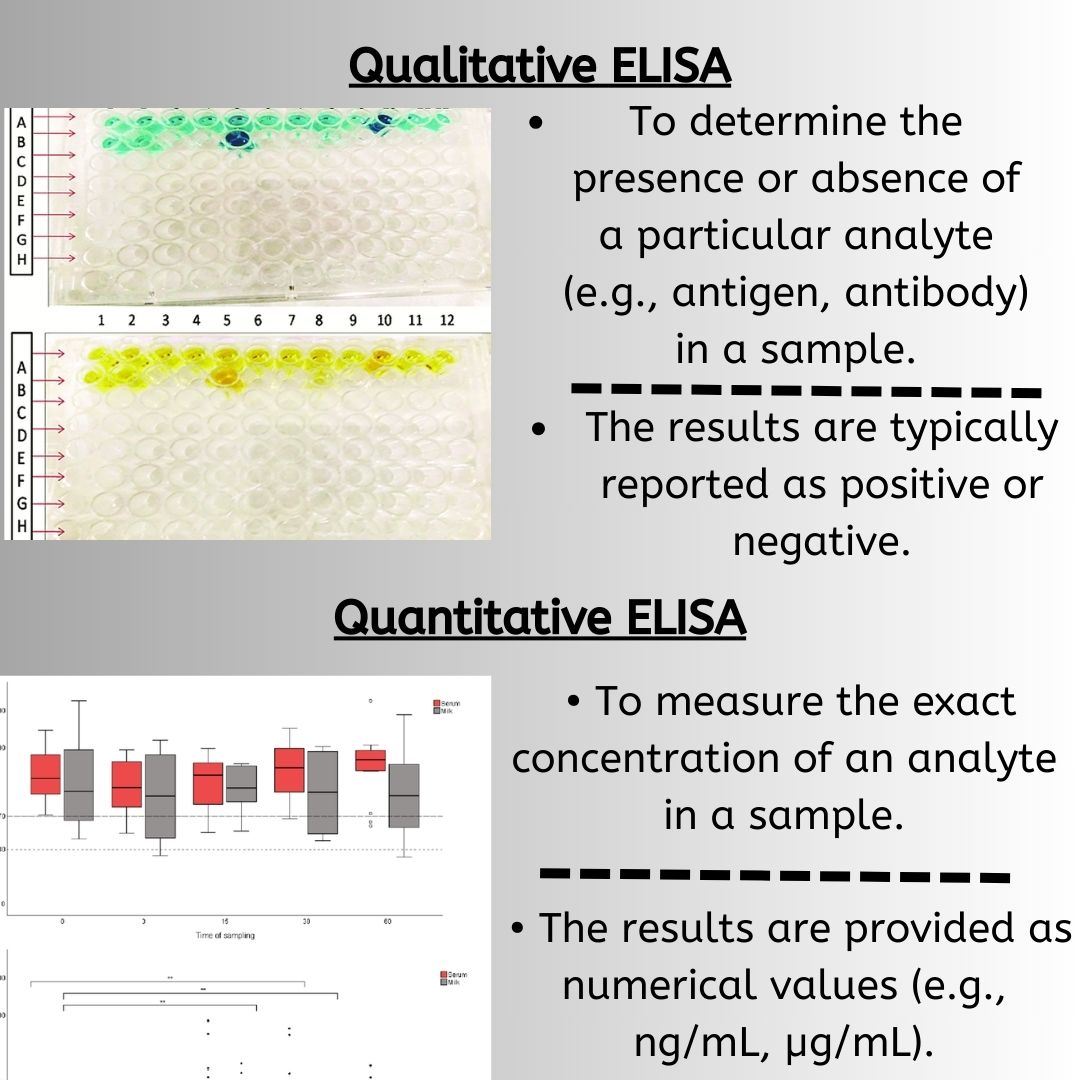
This condition can also be detected in the newborn screening examination. The byproduct of the protein that cannot be effectively broken down is often detected in high concentrations in the blood and urine samples which are the main diagnostic criteria for this disorder. The laboratory studies can detect the high level of acids such as methylmalonic acid in the urine and the high level of homocysteine in the blood.
Treatment
Initiating the early treatment can reduce the chance of intellectual disabilities, psychiatric disorder and serious health problems. Infants need special formula milk that is low in protein which is essential for their normal growth and development. The low-protein diet consists of a diet that is low in amino acids leucine, valine, methionine and threonine. The dietician will assist with planning a food plan consisting of a balanced amount of nutrients and protein to ensure the child is healthy. Vitamin B12 injections known as hydroxocobalamin can be administered to the affected children in some cases to determine if it helps with the condition. Other treatments can include L-Carnitine and Betaine which helps the body remove the harmful substances and to lower the amount of homocysteine in the blood.
References
https://ghr.nlm.nih.gov/condition/methylmalonic-acidemia-with-homocystinuria#inheritance
http://www.newbornscreening.info/Parents/organicaciddisorders/MMA_HCU.html