This is a severe hemorrhagic condition that is caused by the Lassa virus which is a member of the Arenaviridae virus. Human beings contract this virus through the contaminated excreta from the rodents commonly known as the multimammate rat. It is estimated that around 80% of the infected cases do not exhibit symptoms and around 1 in 5 cases become severely ill from problems with the multiple organs such as the liver, kidneys and the spleen.
Symptoms
The symptoms develop within 1-3 weeks after contact with the virus. Most of the cases are undiagnosed as the symptoms are mild. When the symptoms develop, it often includes fever, weakness and general malaise. In around 20% of the cases, the disease may become serious developing symptoms such as hemorrhaging in the eyes or the gums, vomiting, facial swelling, respiratory distress, pain in the abdomen and shock. The neurological problems can include hearing loss, tremors and encephalitis. In some of the cases, death can also occur from multi-organ failure after the onset of symptoms in around 10 – 14 days. One of the common complications of this fever is the hearing loss which can develop either from the mild or the severe cases. Another complication of this fever includes the 95% mortality rate of the fetus among the pregnant women.
Transmission
Infection occurs from the exposure of the Lassa virus from the contaminated urine or the faeces of the rats. The transmission can occur with the direct contact of the contaminated blood, urine, faeces or other bodily secretions. Sexual transmission of the lassa virus has also been indicated. The virus can also be transmitted in the health-care settings with the use of contaminated medical equipment. Individuals living in the rural areas are particularly at risk of developing this condition as the result of poor sanitation.
Diagnosis
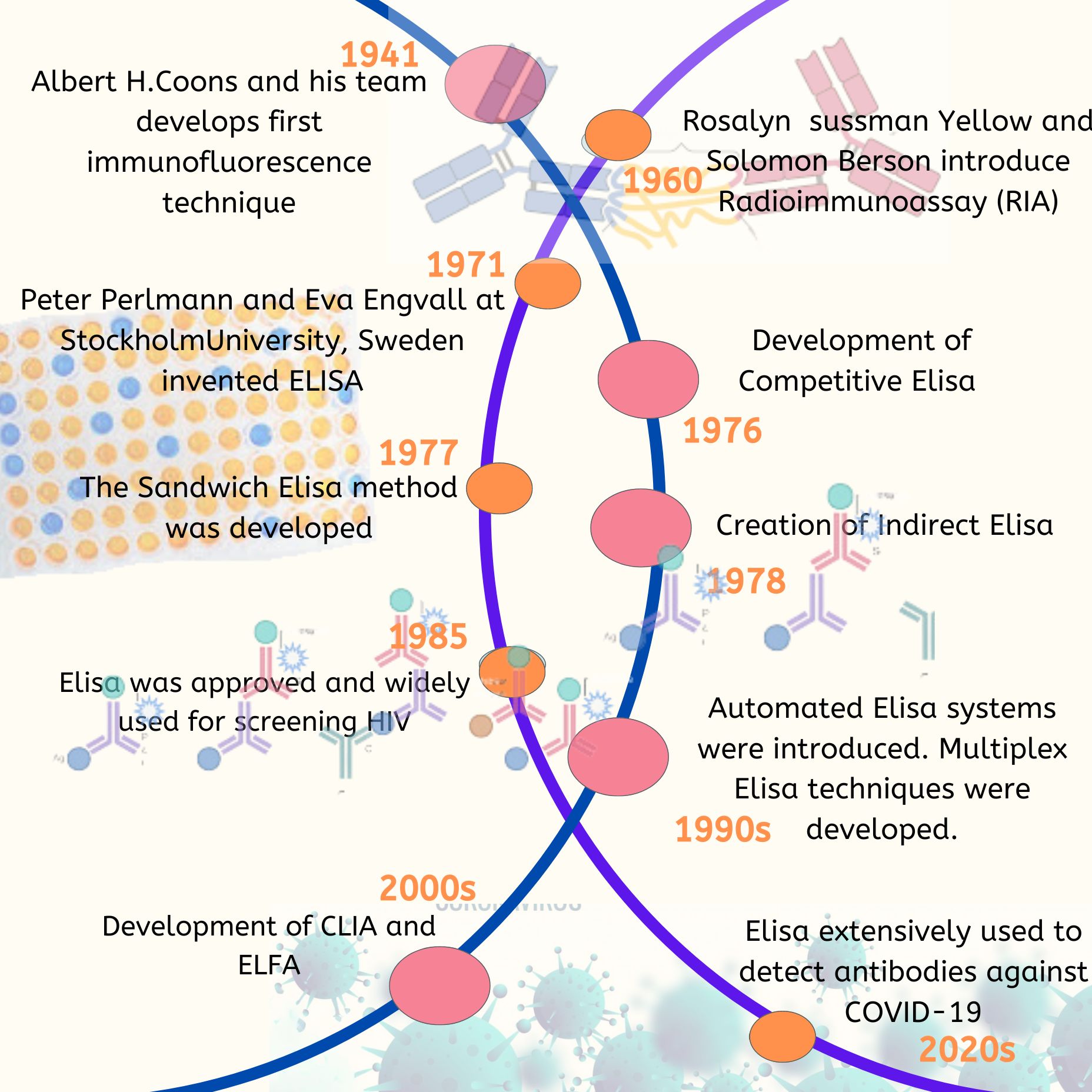
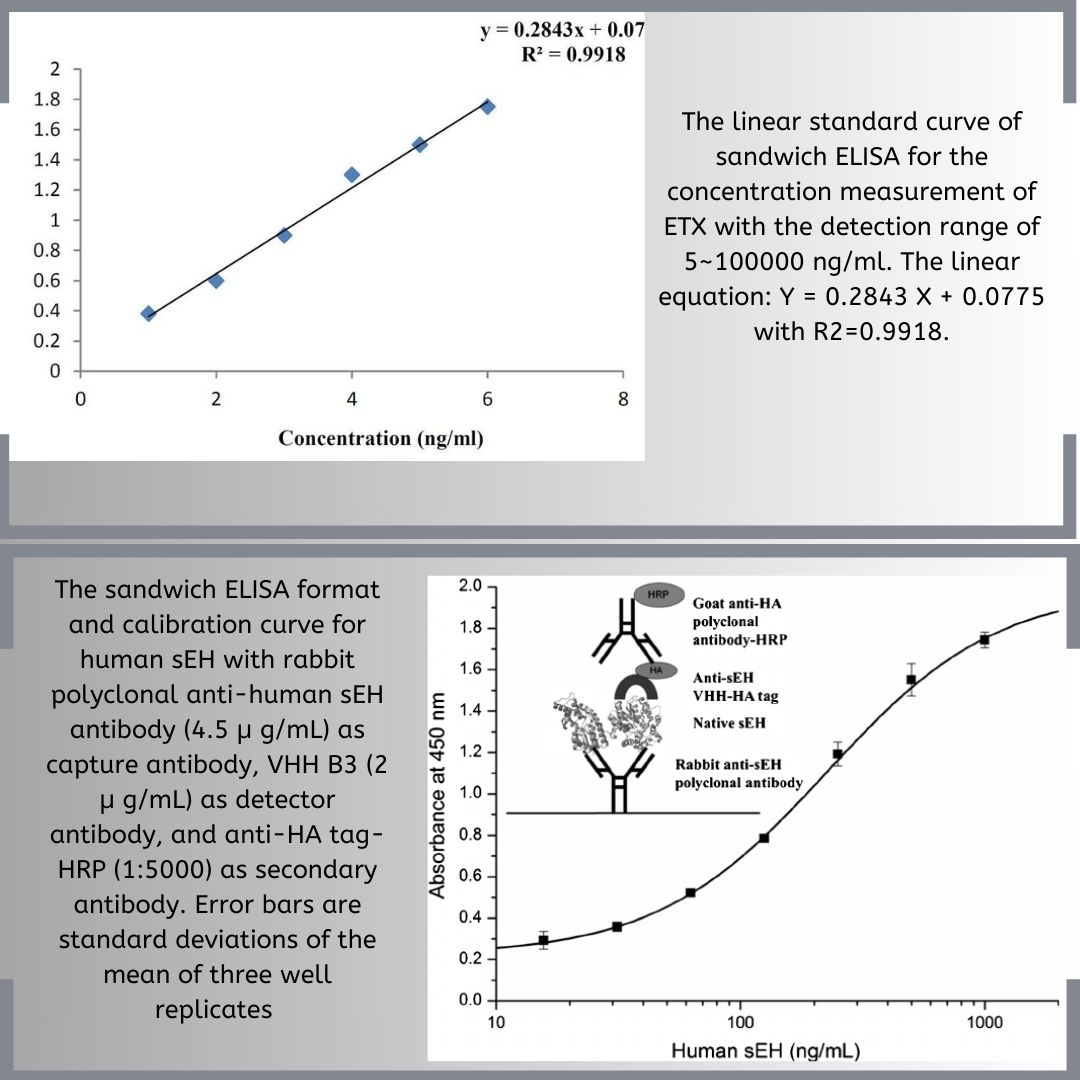
During the initial stages of Lassa virus, it can be misdiagnosed as typhoid or influenza and as the symptoms appear quite varied, the clinical diagnosis is often difficult. The definitive diagnosis is possible with various laboratory tests such as the virus isolation by cell culture, antigen detection tests, reverse transcriptase polymerase chain reaction (RT-PCR) assay and antibody enzyme-linked immunosorbent assay (ELISA).
Treatment
The antiviral medication, ribavirin, is the most effective treatment if administered in the initial stage of the illness. In addition, individuals affected with this fever should receive supportive care such as maintaining appropriate fluid, electrolyte balance and blood pressure. Currently, vaccination for Lassa fever is not available.
Prevention
One of the effective preventive methods is to discourage the rodents from entering the house. This includes measures such as disposing of garbage far from the house, keeping cats and storing food materials in tight containers. It is also important to avoid contact with the bodily fluids of the infected person and to apply standard infection prevention when caring for sick patients by using protective clothing such as masks and gloves.
References
https://www.cdc.gov/vhf/lassa/prevention/index.html