Early lab work often presents a challenge: researchers need reliable protein targets without the variability that comes from native sources. This problem leads many students and scientists to ask, “What are recombinant proteins?” as they look for tools to keep experiments consistent and results comparable. Recombinant proteins solve these issues by providing defined composition and predictable behavior from the start.
In research and instructional settings, recombinant proteins remove uncertainty from experimental design. They allow teams to focus on technique, analysis, and interpretation rather than troubleshooting inconsistent inputs. This reliability makes recombinant proteins a foundation for modern research workflows and hands-on learning environments.
Table of Contents
- What Is a Recombinant Protein?
- How Recombinant Proteins Are Produced
- What Are Recombinant Proteins Used For?
- Common Types of Recombinant Proteins
- Why Researchers Choose Them
- How To Select a Recombinant Protein
- Frequently Asked Questions
What Is a Recombinant Protein?
So, what is a recombinant protein? In simple terms, it’s a protein that scientists produce by inserting a specific gene into a host cell and directing that cell to make the protein of interest. Researchers use this process to generate a precise protein sequence in a controlled setting, rather than relying on extraction from natural tissue.
This approach sets recombinant proteins apart from native proteins, which come directly from original biological sources and often vary in purity or composition. Recombinant proteins, on the other hand, come from a defined genetic blueprint and controlled production process. That difference gives researchers consistent materials they can use across experiments, training labs, and long-term studies.
How Recombinant Proteins Are Produced

Researchers produce recombinant proteins by starting with a known gene that encodes the protein they want to study. Scientists insert that gene into a host cell using a vector designed to drive protein expression. Once the host cell begins producing the protein, researchers harvest and purify it for downstream applications.
Using different expression platforms, researchers can generate distinct recombinant protein types with properties that match specific research goals. The choice of host system influences yield, folding, and functional behavior, so researchers select platforms based on how closely the produced protein needs to reflect its biological counterpart. Custom protein production allows precise matches between protein and application.
Common host systems include:
Bacterial Systems
Bacterial hosts, such as E. coli, offer fast growth and high protein yield. Researchers often use these systems for straightforward proteins that do not require complex folding or extensive post-translational modification.
Yeast and Insect Systems
Yeast and insect cells provide additional processing capabilities that support more complex protein structures. Researchers choose these systems when activity or stability depends on improved folding compared to bacterial expression.
Mammalian Systems
Mammalian cells produce proteins that closely match native biological forms. Researchers rely on these systems for proteins that require native-like modifications or precise functional behavior in binding and signaling studies.
What Are Recombinant Proteins Used For?
Researchers apply recombinant proteins across numerous laboratory activities because these tools offer predictable performance and defined composition. Many applications require consistency from one experiment to the next. These uses span:
- Early discovery work
- Method development
- Routine analysis
In instructional settings, recombinant proteins enable hands-on learning by giving students reliable materials for protein assays and detection techniques. In research labs, recombinant protein uses include:
- Target validation
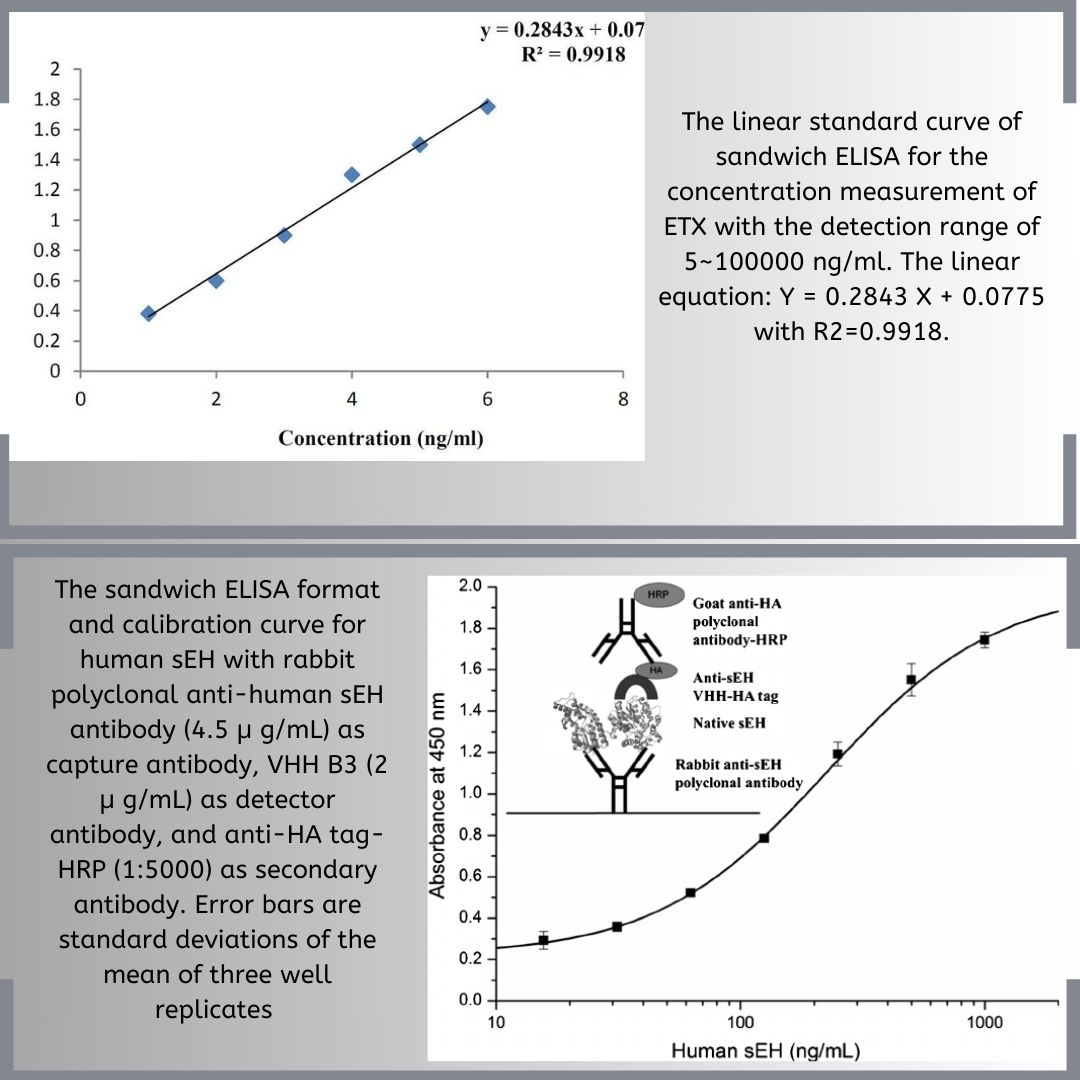
- Assay calibration
- Functional studies
Validation workflows also depend on recombinant proteins to confirm specificity, measure activity, and compare results across repeated experiments.
Common Types of Recombinant Proteins
Researchers work with several recombinant protein categories, each serving a distinct purpose in laboratory studies. Organizing these proteins by type helps teams select materials that match their experimental goals and technical requirements.
Enzymes
With recombinant enzymes, researchers can examine catalytic activity under controlled conditions. Labs use them to study reaction kinetics, validate biochemical assays, and confirm pathway function without interference from variable native sources.
Cytokines
Cytokines play a key role in cell signaling research. Recombinant forms give scientists consistent tools for studying:
- Communication between cells
- Immune response mechanisms
- Signaling pathway regulation
Growth Factors
Researchers rely on recombinant growth factors to investigate cell proliferation, differentiation, and survival. These proteins enable studies focusing on developmental biology and cellular response under defined experimental conditions.
Hormones
Recombinant hormones help researchers explore regulatory systems and receptor interactions. Using defined hormone preparations allows teams to measure response patterns and signaling behavior with greater precision.
Structural and Signaling Proteins
Structural and signaling proteins are ideal for studies that examine:
- Protein interactions
- Binding dynamics
- Pathway organization
Recombinant production provides consistent materials for mapping complex biological processes and validating experimental models.

Why Researchers Choose Recombinant Proteins
Researchers choose recombinant proteins because they provide consistency in experiments that demand repeatable outcomes. Since each protein comes from a defined genetic sequence, teams have a clear understanding of what they work with at every stage. This defined composition helps reduce variability and keeps data comparable across runs.
Scalability also matters. Labs can source the same protein in a consistent form as projects grow from early testing into larger studies. Many recombinant protein uses depend on this reliability, especially when experiments repeat over time or span multiple groups. Working with recombinant proteins lets researchers spend less time troubleshooting inputs and more time focusing on results.
How To Select the Right Recombinant Protein
Researchers review several technical factors before choosing a recombinant protein, since each study places different demands on performance and consistency. A clear evaluation early on helps teams match the protein to their experimental design and avoid unnecessary adjustments later.
Purity is essential among these considerations. Higher purity levels help limit background interference and keep results clear, especially in sensitive assays. The expression system also plays a key role, since it influences folding, activity, and how closely the protein reflects its biological counterpart. Application fit brings these elements together. Researchers confirm that the protein matches the intended use, assay format, and detection method, so it integrates smoothly into their workflow.
Explore Recombinant Protein Options at MyBioSource
MyBioSource provides researchers with access to ready-to-order proteins and custom protein production options, all in one place. Our catalog lists numerous proteins, including recombinant proteins designed for testing, validation, and instructional use. We provide clear specifications that help researchers quickly select the right fit. Meanwhile, our custom production services allow teams to define sequence details, expression systems, and quality targets for research that requires tighter control. Reach out today to talk with a specialist about your recombinant protein needs.
Frequently Asked Questions
How are recombinant proteins different from synthetic peptides?
Recombinant proteins contain full or partial protein sequences produced through biological expression systems, which allows proper folding and functional structure. Synthetic peptides, on the other hand, usually represent shorter sequences and do not replicate full protein behavior in many assays.
How should recombinant proteins be stored after purchase?
Storage requirements depend on the protein format and formulation. Many recombinant proteins require refrigeration or frozen storage to maintain stability. Researchers should always follow the storage guidance provided with the product to preserve activity.
What factors influence the activity of a recombinant protein?
Protein activity depends on expression system choice, folding quality, post-translational features, and storage conditions. Researchers often evaluate activity within the context of their specific application rather than relying on a single universal metric.
Related Articles
- Western Blotting – Learn about western blotting and its role in identifying proteins.
- Southern Blotting – Do a deep dive on southern blotting and the various steps involved.
- Branched DNA (bDNA) Technology – Discover all about this powerful tool for reliable quantification of nucleic acid molecules.